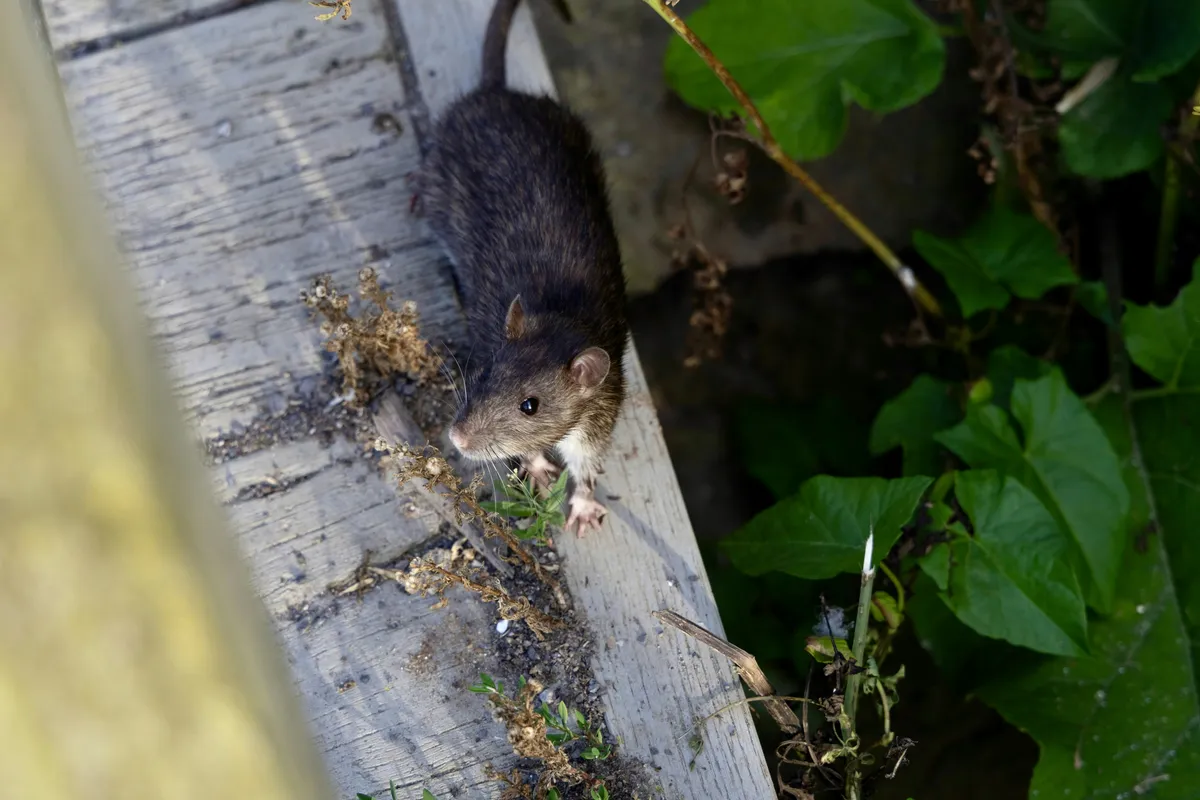
7 Tips to Keep Rats and Mice Out of Your Home This Winter
As temperatures drop across Ladner, Tsawwassen, and South Delta, rats and mice begin searching for warm, sheltered places to spend the winter. Unfortunately, your home may provide exactly what they're looking for.
Rodents can enter through surprisingly small openings around foundations, garages, vents, and utility lines. Once inside, they can damage insulation, chew electrical wiring, contaminate stored food, and create unsanitary conditions.
The good news? A few preventative steps can significantly reduce the chances of a rodent infestation.
Here are seven practical ways to help protect your home this winter.
1. Seal Gaps and Entry Points Around Your Home
One of the most effective ways to prevent rodents is to stop them from entering in the first place.
Mice can squeeze through openings approximately 6 mm wide, while rats can enter through surprisingly small gaps.
Inspect your home for potential entry points, including:
- Cracks and gaps around your foundation
- Openings around plumbing and utility lines
- Damaged exterior vents
- Gaps beneath garage doors
- Openings around windows and doors
- Roofline gaps and damaged soffits
Use rodent-resistant materials such as metal mesh, steel wool combined with appropriate sealant, or metal flashing to close openings.
Local tip: Homes in Ladner and Tsawwassen may experience rodent activity around garages, crawl spaces, sheds, and rooflines, especially as temperatures drop.
2. Keep Food Sources Under Control
Rodents are constantly searching for food. Even small amounts of accessible food can encourage them to remain near your property.
To reduce attractants:
- Store dry food in sealed, rodent-resistant containers.
- Avoid leaving pet food outside overnight.
- Clean up crumbs and spills promptly.
- Keep garbage and compost containers securely closed.
- Remove fallen fruit from your yard.
- Clean outdoor cooking and barbecue areas.
Bird feeders can also attract rodents when seeds accumulate on the ground.
Reducing food availability makes your property less attractive to rats and mice.
3. Eliminate Water Sources and Excess Moisture
Rodents need access to water, and damp areas around your home can provide ideal conditions.
Inspect your property for:
- Leaking outdoor faucets
- Standing water near foundations
- Poor drainage
- Moist crawl spaces
- Leaking pipes
- Water collecting in outdoor containers
Addressing moisture problems helps make your home less inviting to rodents while also protecting the building from water damage.
4. Maintain Your Yard and Trim Vegetation
Overgrown vegetation provides shelter and hiding places for rodents.
Branches, shrubs, and climbing plants can also give rats access to roofs and upper portions of your home.
Before winter arrives:
- Trim branches away from your roof.
- Keep shrubs and vegetation away from exterior walls.
- Remove unnecessary yard debris.
- Store firewood away from your home and off the ground.
- Keep sheds and storage areas organized.
- Avoid leaving piles of materials beside the foundation.
A well-maintained yard reduces the sheltered areas rodents can use to approach your home.
5. Inspect Your Attic, Garage, and Crawl Space
Some of the most common rodent entry and nesting areas are places homeowners rarely inspect.
Attics, garages, and crawl spaces can offer warmth, shelter, and protection from predators.
Watch for signs such as:
- Small, dark droppings
- Scratching or movement inside walls or ceilings
- Chewed insulation or packaging
- Gnaw marks around wood and plastic
- Unusual odours
- Nesting materials
- Greasy rub marks along walls or entry points
If you discover signs of activity, investigate promptly.
Important: Avoid disturbing rodent droppings or nesting materials without appropriate precautions. Improper cleanup can expose people to harmful contaminants.
6. Pay Special Attention to Garage Doors and Exterior Vents
Garage doors and exterior vents are frequently overlooked during seasonal home maintenance.
Inspect garage door weatherstripping and ensure the bottom seal closes tightly against the ground.
Check exterior vents for damage or openings that could allow rodents to enter.
Any protective screening must be suitable for the vent's purpose and must not interfere with required airflow or building safety.
Small improvements around these areas can help prevent rodents from gaining access to your home.
7. Act Early if You Notice Rodent Activity
A small rodent problem can become more difficult to manage if left untreated.
Rats and mice reproduce quickly, and signs of activity may indicate that rodents have already established nesting areas.
If you hear scratching in the attic, notice droppings, or discover damaged insulation, don't wait until the problem becomes more serious.
Professional pest control technicians can help identify entry points, assess activity, recommend appropriate control methods, and develop a prevention strategy.
Why Winter Rodent Prevention Matters in South Delta
Homes in Ladner, Tsawwassen, and surrounding South Delta communities can experience rodent activity throughout the year.
During colder and wetter months, rodents may seek shelter in garages, attics, crawl spaces, sheds, and other protected areas.
Taking preventative action before winter can help reduce the risk of property damage, contamination, and unwanted infestations.
Regular inspections and proper home maintenance are key to long-term rodent prevention.
Frequently Asked Questions
Why do rats and mice enter homes during winter?
Rodents often seek warmth, shelter, food, and protection from outdoor conditions. Homes can provide access to all these resources.
How small of an opening can a mouse enter?
Mice can squeeze through openings approximately 6 mm wide. Sealing small gaps around your home is an important prevention measure.
What are the first signs of rodents in an attic?
Common signs include scratching noises, droppings, damaged insulation, nesting materials, and gnaw marks.
Can rats climb onto roofs?
Yes. Rats are capable climbers and may use trees, fences, vegetation, and other structures to access rooflines.
When should I contact a pest control professional?
Consider professional assistance if you notice recurring rodent activity, droppings, scratching noises, damaged materials, or suspected nesting areas.
Protect Your Home This Winter With Go Green Pest Control
Preventing rodents before they become established can save homeowners time, frustration, and costly repairs.
If you're concerned about rats or mice entering your home, Go Green Pest Control can help assess the situation and recommend practical solutions.
We serve homeowners in Ladner, Tsawwassen, South Delta, and surrounding communities.
Don't wait until rodents settle in for the winter. Contact Go Green Pest Control today to discuss rodent prevention and pest control services for your home.